Introduction
In emergencies where somebody's heart stops beating or they stop breathing, understanding what CPR means and how to execute it can imply https://damienbckc694.wpsuo.com/gosnells-first-aid-courses-hltaid011-and-hltaid009-clarified the difference in between life and fatality. Cardiopulmonary resuscitation (CPR) is a lifesaving strategy that is important for any person looking to be prepared in situation of a clinical emergency situation. This thorough guide aims to explore the definition of CPR, explore its value, and supply a complete understanding of just how it connects with first aid practices.

Whether you're taking a first help course or are simply interested regarding just how you can aid in an emergency, this post will certainly cover every little thing you require to know. We'll study its historic context, existing strategies, and finest techniques while likewise highlighting the value of being licensed in CPR through different certified programs.
What Does CPR Stand For? Comprehending Cardiopulmonary Resuscitation
The phrase CPR stands for Cardiopulmonary Resuscitation It includes two important elements: "cardio," referring to the heart, and "lung," associated with the lungs. The main objective of CPR is to maintain blood circulation to important organs up until professional clinical assistance gets here or regular heart function is restored.
The Value of CPR in Emergencies
CPR is essential in a number of situations, including cardiac arrest, drowning, choking cases, and various other situations causing unfamiliarity or unresponsiveness. According to studies from companies like the American Heart Organization, efficient CPR can increase or perhaps triple a target's chance of survival.
Why Must Everyone Discover CPR?
Learning CPR gears up people with abilities that can conserve lives. In many cases, bystanders are the initial responders prior to emergency personnel show up. Being well-versed in cardiopulmonary resuscitation permits you to act swiftly and with confidence when every 2nd counts.
History of Cardiopulmonary Resuscitation
Early Techniques for Reviving Individuals
The origins of CPR go back centuries ago. Historic documents reveal that approaches similar to modern-day resuscitation were exercised as early as 3000 B.C., primarily focusing on mouth-to-mouth methods for revitalizing drowning victims.
Modern Developments in CPR Techniques
In the 20th century, significant advancements were made in recognizing heart attack and its treatment. In 1960, Dr. Peter Safar presented mouth-to-mouth resuscitation integrated with breast compressions-- preparing wherefore would end up being called contemporary CPR.
CPR Methods: Basics You Required to Know
A Step-by-Step Guide: Just How to Carry out CPR
To successfully carry out CPR, it's necessary to adhere to a systematic first aid and cpr courses gosnells strategy:
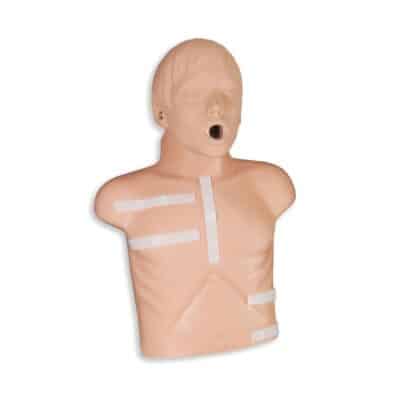
Check Responsiveness: Carefully drink the person and ask if they're okay. Call for Help: If there's no feedback, phone call emergency situation services immediately. Determine Breathing: Try to find typical breathing; otherwise existing or uncommon (gasping), start compressions. Chest Compressions:- Place your hands on the center of the person's chest. Keep your joints straight. Compress set at a price of 100-120 compressions per minute.
- After 30 compressions, give two rescue breaths. Ensure correct head tilt-chin lift position prior to providing breaths.
Hands-Only vs Standard CPR
Many individuals wonder whether hands-only or traditional CPR is more effective. For adults that fall down as a result of cardiac arrest outside a hospital setup, hands-only CPR has proven equally effective-- making it simpler for untrained bystanders to interfere without fear of inappropriate technique.
First Aid Program: Connecting Expertise Gaps
Importance of Finishing a First Aid Course
Taking a first aid program not just aids one understand basic methods however additionally provides valuable insight right into different emergency situation circumstances beyond simply cardiac arrest situations. These programs commonly cover numerous topics such as injury administration, choking alleviation strategies, and utilizing an Automated External Defibrillator (AED).
Finding First Aid Courses Near You
If you're looking for local opportunities:
- Search online for "first aid training course near me". Local health centers or community centers frequently use programs. Check platforms like FirstAidPro or Red Cross for scheduled classes.
DRSABCD Method Explained
What is DRSABCD? A Lifesaving Acronym
The DRSABCD method acts as an easy-to-follow standard during emergencies:
D-- Danger: Examine the scene for any threats. R-- Response: Examine if the person is responsive. S-- Send out for Help: Call emergency solutions immediately. A-- Airway: Ensure their airway is clear. B-- Breathing: Examine if they're taking a breath normally. C-- Compressions: Beginning chest compressions if not breathing. D-- Defibrillation: Utilize an AED if readily available as quickly as possible.Each action builds upon each other guaranteeing you remain concentrated throughout high-pressure situations.
Mental Health First Aid & Its Connection with Physical Emergencies
Understanding Mental Health First Aid (MHFA)
While conventional first aid concentrates on physical health crises, Mental Wellness First Aid addresses psychological emergencies such as panic attacks and severe stress and anxiety episodes.
Combining Physical & Mental Health And Wellness Support
Being efficient in both physical first aid (like understanding what does cpr represent) and psychological health first aid boosts your capability to supply thorough support throughout emergency situations-- aiding you address both outward injuries and emotional trauma simultaneously.
FAQs Regarding Cardiopulmonary Resuscitation
FAQ 1: What does the phrase "CPR" stand for?
CPR stands for Cardiopulmonary Resuscitation-- a life-saving procedure carried out when someone's heart beat or breathing has stopped.
FAQ 2: Why is discovering CPR important?
Knowing just how to execute CPR can dramatically enhance survival chances during heart attack or breathing failure circumstances up until professional help arrives.
FAQ 3: Do I need accreditation to perform CPR?
While any person can attempt it throughout an emergency circumstance without accreditation, getting official training via certified training courses boosts effectiveness and self-confidence when executing life-saving techniques.
FAQ 4: How much time does my first aid certification last?
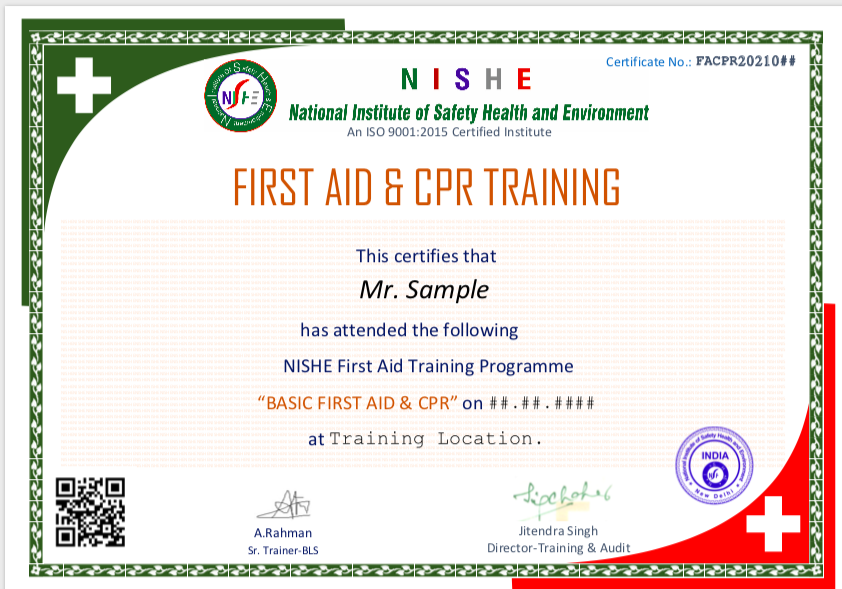
Typically, the majority of first aid certificates stand for three years prior to requiring revival through correspondence course or re-certification classes.
FAQ 5: Exists an age demand for finding out CPR?
No specific age demand exists; youngsters can find out simplified variations suitable for their ability degree while still being helpful in emergencies!
FAQ 6: Can I take an online first aid course?
Yes! Numerous organizations now use on the internet first aid courses that consist of extensive training on both physical first aid techniques and psychological health first aid basics.
Conclusion
Understanding what does CPR represent-- and understanding its application-- can empower anybody with essential abilities required throughout emergency situations where time matters most. Whether you have an interest in formal training with a recognized establishment like FirstAidPro or merely want expertise on standard life assistance techniques, having this understanding can conserve lives-- not simply yours however those around you as well!
Don't underestimate just how much influence understanding these abilities can have; it's worth spending time right into learning them correctly! So why wait? Join today at your neighborhood facility offering suitable courses nearby-- you never recognize when you'll require these indispensable skills!